Importance of Fitness Before Starting Adventure Travel
Introduction
Adventure travel offers opportunities to explore mountains, forests, rivers, deserts, and remote regions that demand physical readiness. Unlike casual sightseeing trips, adventure journeys often involve endurance, balance, strength, and adaptability. Preparing the body before departure helps travelers remain safe, confident, and capable throughout their experience.
Fitness plays a central role in ensuring that travelers can handle unexpected terrain conditions, long walking hours, and environmental challenges without unnecessary strain.
Reducing the Risk of Injuries During Travel
Physical preparation strengthens muscles and joints that are heavily used during activities such as trekking, climbing, rafting, and cycling. A stronger body responds better to uneven surfaces and prolonged movement.
Regular fitness preparation helps reduce:
- Muscle fatigue during long hikes
- Joint strain on steep terrain
- Risk of slips and falls
- Chances of altitude-related discomfort
When the body is conditioned properly, travelers can focus more on the experience rather than physical discomfort.
Improving Endurance for Long Adventure Activities
Adventure travel often involves extended periods of movement across challenging landscapes. Strong cardiovascular fitness supports sustained energy levels and helps travelers remain active throughout the journey.
Improved endurance allows travelers to:
- Walk longer distances comfortably
- Carry backpacks efficiently
- Adjust to changing terrain conditions
- Maintain energy across multiple travel days
Endurance training ensures that the journey remains enjoyable rather than exhausting.
Supporting Mental Readiness and Confidence
Physical preparation also strengthens mental resilience. Travelers who train before departure often feel more confident when facing unfamiliar environments and demanding routes.
Fitness contributes to mental readiness by:
- Improving focus during navigation challenges
- Increasing tolerance for physical discomfort
- Supporting better decision making in remote areas
- Reducing stress in unfamiliar surroundings
Confidence developed through preparation enhances the overall adventure experience.
Adapting to Changing Environmental Conditions
Adventure travel often exposes individuals to varied climates and landscapes. Travelers may encounter steep climbs, river crossings, high altitudes, or temperature variations.
Physical conditioning helps the body:
- Adjust to reduced oxygen levels at higher elevations
- Maintain balance on uneven paths
- Handle temperature fluctuations more effectively
- Recover faster after demanding activities
Prepared travelers adapt more efficiently to environmental challenges.
Enhancing Safety in Remote Locations
Many adventure destinations are located far from immediate medical support. Fitness reduces the likelihood of emergencies and increases the ability to manage difficult situations independently.
Prepared travelers are better able to:
- Maintain stability on rough trails
- Carry essential equipment safely
- Respond calmly during unexpected situations
- Support fellow travelers when needed
Safety improves significantly when the body is ready for physical demands.
Increasing Enjoyment of the Travel Experience
When travelers are physically prepared, they can participate fully in activities rather than limiting themselves due to fatigue. Fitness allows individuals to explore locations more deeply and confidently.
Prepared travelers often experience:
- Greater participation in planned activities
- Reduced recovery time between travel days
- Better mobility across varied terrain
- Increased overall satisfaction during the trip
Enjoyment grows when physical limitations do not interfere with exploration.
Preparing the Body for Carrying Travel Gear
Adventure travel typically involves carrying backpacks that contain essential supplies. Without preparation, even moderate loads can cause strain over time.
Strength training helps travelers:
- Support shoulder and back muscles
- Maintain posture during long walks
- Balance weight distribution effectively
- Reduce pressure on knees and ankles
Carrying equipment becomes easier when the body is conditioned beforehand.
Building Flexibility for Movement Across Terrain
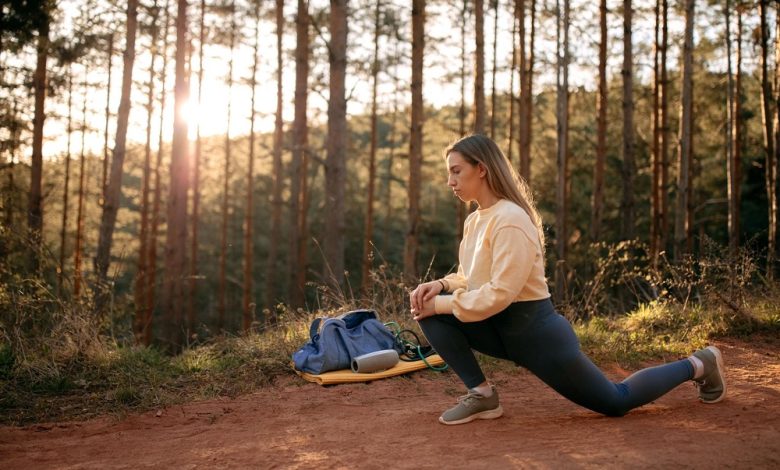
Flexibility improves movement efficiency across uneven surfaces such as rocks, slopes, and forest trails. Stretching routines help maintain mobility and reduce stiffness during travel.
Flexible travelers often experience:
- Improved balance while trekking
- Reduced muscle tightness
- Greater ease while climbing slopes
- Better recovery after daily activity
Flexibility supports both performance and comfort during adventure travel.
Encouraging Responsible Adventure Planning
Fitness preparation encourages travelers to understand the physical demands of their destination. This awareness helps them choose activities suited to their abilities.
Responsible planning supported by fitness awareness includes:
- Selecting appropriate trekking routes
- Understanding altitude challenges
- Preparing suitable equipment
- Scheduling realistic travel distances
Preparation leads to safer and more rewarding travel experiences.
Conclusion
Fitness preparation is a practical and essential step before beginning any adventure journey. It strengthens the body, improves endurance, enhances safety, and supports mental readiness. Travelers who invest time in physical conditioning are better equipped to handle demanding environments and fully appreciate the experiences that adventure travel offers.
FAQ Section
1. How far in advance should someone begin fitness preparation before adventure travel
Starting preparation at least four to six weeks before departure allows the body to gradually adapt to increased physical activity levels.
2. Is walking alone enough preparation for adventure travel
Walking helps improve endurance, but combining it with strength training and flexibility exercises creates more balanced preparation.
3. Can beginners prepare for adventure travel without gym equipment
Simple exercises such as stair climbing, stretching, bodyweight training, and regular walking can provide effective preparation without specialized equipment.
4. Why is hydration important during fitness preparation for adventure trips
Proper hydration supports muscle function, prevents fatigue, and helps the body adapt to increased physical effort during training.
5. Should travelers train with the same backpack they plan to carry
Practicing with a loaded backpack helps the body adjust to weight distribution and improves comfort during actual travel.
6. How does sleep affect physical readiness for adventure travel
Adequate sleep supports muscle recovery, energy levels, and mental alertness during both preparation and travel.
7. Can stretching routines alone prepare someone for trekking activities
Stretching improves flexibility but should be combined with endurance and strength exercises for complete preparation before trekking trips.