Zumba as a Travel Fitness Strategy: Why It Works for Routine-Disrupted Travellers
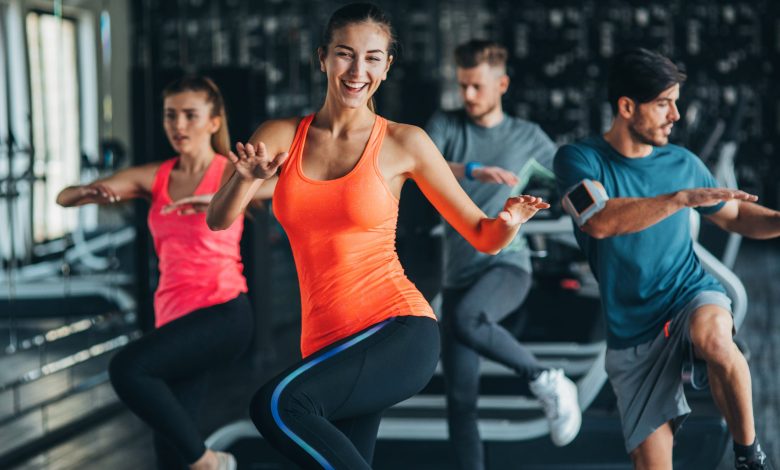
The challenge of maintaining fitness during travel is fundamentally a routine disruption problem. The structures, habits, and environmental cues that support consistent training at home are absent during travel, and the motivational energy required to recreate them in an unfamiliar environment often exceeds what a busy travel schedule leaves available. Most fitness strategies that work well at home underperform during travel precisely because they depend on the routine infrastructure that travel removes. Zumba classes singapore gyms and fitness facilities offer work exceptionally well for routine-disrupted travellers for reasons that are specific to the format’s characteristics rather than generally applicable to all group fitness.
Why Standard Travel Fitness Approaches Fail
Understanding why conventional travel fitness strategies underperform helps clarify what makes Zumba specifically effective in the travel context.
The Solo Training Motivation Problem
Solo training during travel requires the traveller to generate all of their own motivation, structure, and effort accountability from internal resources that travel depletes. Jet lag, schedule density, unfamiliar environments, and the cognitive load of professional responsibilities in a new context all reduce the internal motivational resources available for self-directed exercise. A training approach that depends entirely on internal motivation is therefore structurally vulnerable to exactly the conditions that travel creates.
Group fitness classes provide external motivational structure that does not depend on the traveller’s internal resources. The booked appointment, the instructor’s energy, the group dynamic, and the social accountability of shared exercise all provide motivational support that the depleted internal resources of a travelling professional cannot generate alone.
The Programme Continuity Problem
Travellers attempting to maintain their home training programme in hotel gyms encounter the equipment gap problem: the specific exercises, loading parameters, and training structure their programme requires cannot be replicated in a hotel gym environment. The resulting improvisation, exercising with available equipment in an approximation of the programme, produces a suboptimal training stimulus and a frustrating experience that erodes motivation across a travel period.
Zumba sidesteps this problem entirely because the format requires no specific equipment and minimal space beyond what a studio or cleared hotel room floor provides. A Zumba class in Singapore provides the same training stimulus as a Zumba class anywhere else in the world, making it the most equipment-independent training format available for consistent cross-destination application.
Zumba’s Specific Travel Fitness Advantages
Several characteristics of Zumba make it particularly well-suited to the travel fitness context beyond the general advantages of group exercise.
Immediate Social Integration in a New City
Attending a Zumba class in Singapore during a business visit provides immediate social integration into a local community of fitness enthusiasts, creating a sense of belonging and place that contributes to the traveller’s psychological adjustment to being away from home. This social benefit is not available from hotel gym use and extends Zumba’s travel value beyond its physical training contribution.
Mood Regulation During High-Stress Travel Periods
Business travel accumulates a specific combination of stressors, including displacement from familiar environments, high cognitive demands from professional responsibilities, sleep disruption from time zone changes, and reduced access to the social support structures of home life, that compounds into significant mood depression risk during extended travel periods. Zumba’s music-driven, socially engaging format provides one of the most accessible mood regulation interventions available in the travel context, combining physical endorphin release with music-driven dopaminergic activation in a social environment.
True Fitness Singapore provides drop-in Zumba access for visiting professionals that delivers the full quality of the format’s travel fitness and mood management benefits in a premium facility environment. True Fitness Singapore makes Zumba a practical and genuinely valuable component of the Singapore-visiting professional’s travel fitness strategy.
FAQs
Q. – I am visiting Singapore for a week on business. Is a single Zumba class worth the effort of arranging access to a premium gym?
Ans. – For a week-long Singapore visit, the combination of cardiovascular training, stress relief, and social experience that a Zumba class provides makes the access arrangement effort clearly worthwhile for fitness-committed travellers. The class delivers value across physical, psychological, and social dimensions simultaneously that hotel gym use cannot match. If your Singapore schedule includes even one evening with two free hours, using ninety minutes of that time for gym access, class attendance, and shower represents an investment in your professional capacity for the remainder of the trip that the schedule allocation justifies.
Q. – How do I find Zumba class times in Singapore that fit around a demanding business schedule?
Ans. – Premium Singapore gyms offering Zumba typically provide early morning sessions before business hours begin, lunchtime sessions for the midday window, and evening sessions after standard business hours end. Checking the specific timetable of gyms proximate to your Singapore accommodation or meeting locations before your trip allows you to identify which sessions are compatible with your schedule and pre-book places before arrival. Many Singapore gym booking systems are accessible without local membership accounts for guest booking purposes.
Q. – Does Zumba provide adequate exercise for a week-long Singapore visit, or should I supplement it with other training?
Ans. – Two to three Zumba sessions across a week-long Singapore visit provides meaningful cardiovascular maintenance and mood management benefit that significantly outperforms hotel gym use alone. Whether this is adequate depends on your usual training volume at home: members who typically train five or six times per week at high intensity will experience a larger training reduction during a Zumba-only travel week than members whose standard training frequency is three to four times per week. Supplementing with early morning bodyweight training in your hotel room on non-Zumba days provides additional training volume without requiring additional gym access logistics.
Q. – Can I maintain my weight during a Singapore business trip by attending Zumba classes?
Ans. – Two to three Zumba sessions during a Singapore business trip offset a significant portion of the caloric surplus that business travel typically generates through client dinners, hotel breakfasts, and reduced daily movement. However, business travel caloric intake can exceed usual patterns by several hundred kilocalories per day, which three weekly Zumba sessions producing three hundred to five hundred kilocalories each cannot fully compensate. Managing business meal choices alongside Zumba attendance produces better weight maintenance outcomes than relying on exercise alone to offset unrestricted caloric intake during the trip.
Q. – I experience significant jet lag when travelling to Singapore from Europe or North America. Is Zumba appropriate during the first few days of adjustment?
Ans. – Light to moderate exercise including Zumba is actively beneficial for jet lag management rather than contraindicated during the adjustment period. Morning exercise exposure to natural light and moderate physical activity helps reset the circadian rhythm toward the destination time zone. Zumba’s enjoyable format and moderate intensity make it more likely to be attended during the motivation-depleted first days of jet lag adjustment than high-intensity formats that feel excessively demanding when fatigued. Attending a morning Zumba session on your first or second day in Singapore actively supports faster circadian adaptation alongside providing the mood elevation and community connection benefits that are particularly valuable during the disorienting initial days of significant time zone adjustment.