Adventure Travel Photography Tips for Stunning Landscapes
Adventure travel photography blends exploration with visual storytelling. Capturing powerful landscapes in remote environments requires preparation, technical awareness, and creative observation. Whether trekking through mountain passes, deserts, coastlines, or forests, the right approach helps transform ordinary scenes into memorable images that feel immersive and authentic.
Understand Light Before Anything Else
Light determines mood, depth, texture, and clarity in landscape photography. Learning to recognize how natural light changes throughout the day is one of the most valuable skills an adventure photographer can develop.
Focus on these lighting conditions:
- Golden hour creates warm tones and soft shadows that enhance depth
- Blue hour delivers calm color balance and subtle atmosphere
- Midday light works best for deserts, glaciers, and high-contrast terrain
- Storm light adds drama and storytelling potential
Plan shooting schedules around sunrise and sunset whenever possible. Even familiar locations become visually striking under the right lighting conditions.
Choose the Right Gear for Remote Conditions
Adventure travel environments often involve unpredictable terrain and weather. Carrying efficient equipment keeps you mobile without sacrificing image quality.
Essential gear includes:
- Lightweight mirrorless or DSLR camera
- Wide-angle lens for expansive compositions
- Compact tripod for stability
- Extra batteries and memory cards
- Weather protection for equipment
Avoid overpacking. Mobility matters more than carrying multiple lenses you rarely use.
Use Foreground Elements to Create Depth
Strong landscape photos guide the viewer through the scene rather than presenting a flat view.
Foreground subjects improve visual structure:
- Rocks
- Wildflowers
- Trails
- Water reflections
- Tree branches
Positioning a foreground element helps create scale and leads the viewer naturally toward the horizon.
Master Composition Techniques That Strengthen Visual Impact
Good composition transforms ordinary scenery into compelling imagery.
Apply these reliable composition methods:
Rule of thirds
Place the horizon slightly above or below the center instead of directly across the frame.
Leading lines
Roads, rivers, fences, and ridgelines help direct attention toward the subject.
Framing
Use natural openings such as tree arches or rock formations to frame the landscape.
Negative space
Leaving empty space emphasizes isolation, scale, and atmosphere in remote environments.
Practicing composition consistently builds instinctive decision-making in the field.
Adapt to Weather Instead of Avoiding It
Many travelers stop photographing when weather changes. Experienced photographers recognize that weather creates some of the most memorable scenes.
Photograph during:
- Fog for mystery and layering
- Rain for reflections and contrast
- Snow for texture simplicity
- Storms for dramatic skies
Weather shifts often transform ordinary views into extraordinary moments.
Shoot in RAW Format for Maximum Flexibility
RAW files preserve more image data than compressed formats. This allows greater control when adjusting exposure, contrast, shadows, and color during editing.
Benefits of shooting RAW:
- Recover highlight details
- Adjust white balance accurately
- Improve shadow clarity
- Enhance overall tonal range
Editing flexibility becomes especially valuable when working in unpredictable outdoor lighting.
Wake Up Early and Stay Out Late
Adventure landscapes reward patience. Iconic lighting rarely appears during comfortable hours.
Morning photography advantages include:
- Cleaner air and visibility
- Minimal crowds
- Calm water reflections
- Softer shadows
Evening photography offers dramatic skies and warmer tones that enhance emotional storytelling.
Timing often matters more than location.
Keep Human Elements Small but Meaningful
Including a person within a landscape scene helps communicate scale and narrative without distracting from the environment.
Examples include:
- A hiker on a ridge
- A tent beneath a mountain range
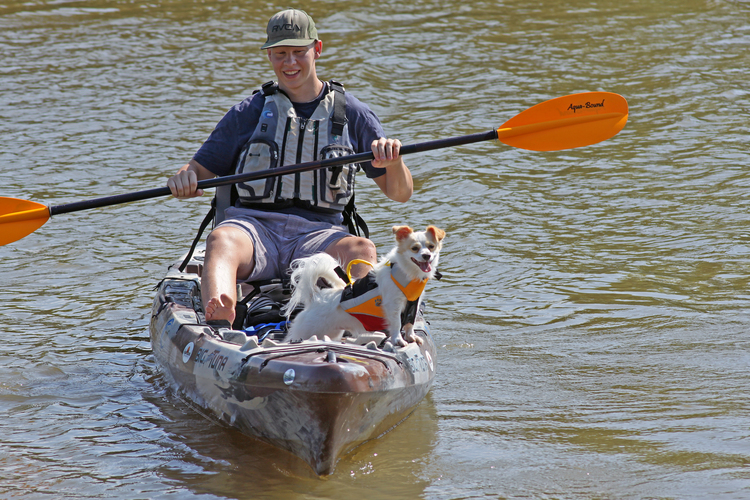
- A kayak crossing open water
- A traveler walking a desert trail
Small human presence strengthens emotional connection and adds perspective.
Protect Yourself While Photographing Remote Landscapes
Adventure photography frequently involves unpredictable terrain. Safety should always remain a priority.
Prepare before heading out:
- Study terrain conditions
- Monitor weather forecasts
- Inform someone about travel plans
- Carry navigation tools
- Pack emergency essentials
Strong images are never worth unnecessary risk.
Edit Thoughtfully Without Overprocessing
Editing enhances images but should not overpower natural beauty.
Maintain realism by:
- Preserving natural color tones
- Avoiding excessive contrast
- Keeping skies believable
- Retaining texture detail
Balanced editing helps photographs feel authentic rather than artificial.
Frequently Asked Questions
What camera settings are best for landscape photography while traveling
Use a low ISO setting, a narrow aperture such as f8 to f11 for sharpness, and adjust shutter speed depending on lighting conditions and tripod use.
How important is a tripod for adventure travel photography
A tripod improves sharpness during sunrise, sunset, and low-light conditions and helps capture long-exposure images such as waterfalls and night skies.
Should beginners use manual mode for landscape photography
Manual mode offers the most control, but aperture priority mode is a practical starting point for travelers learning exposure balance.
How can photographers protect equipment during outdoor adventures
Use padded waterproof bags, silica gel packs for moisture control, lens covers, and weather-resistant camera sleeves when shooting in harsh conditions.
Is a wide-angle lens always necessary for landscape photography
Wide-angle lenses help capture expansive scenes, but mid-range lenses are useful for isolating patterns, textures, and distant features.
What is the best time of year for adventure landscape photography
The ideal season depends on location. Spring offers color, autumn provides contrast, winter creates minimalism, and summer enables high-altitude access.
How can photographers improve composition while traveling quickly
Pause before shooting, scan for foreground interest, adjust horizon placement carefully, and move physically around the scene instead of shooting from one position only.