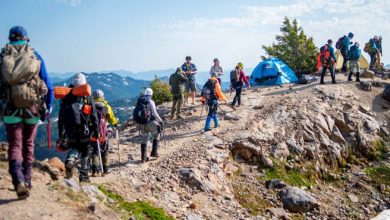
Popular Travel Destinations for Nature Lovers
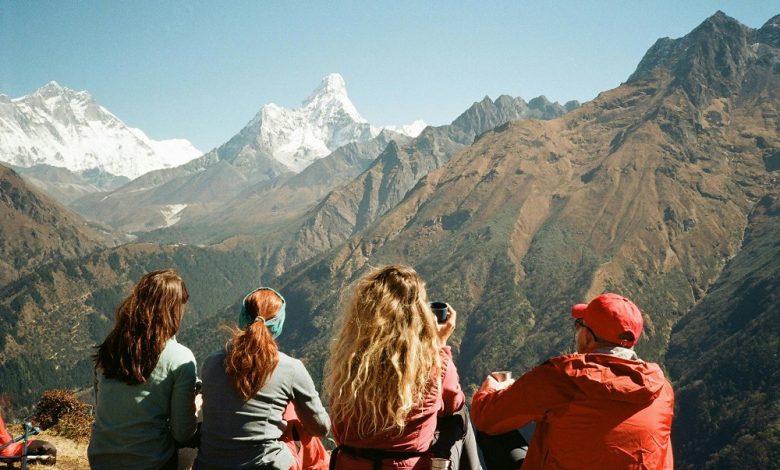
Nature-focused travel offers more than scenic views. It creates space for reflection, adventure, and meaningful connection with landscapes that remain largely untouched by urban development. From glacier-carved valleys to tropical wetlands and alpine meadows, certain destinations stand out for their ecological richness and immersive outdoor experiences.
Below are some of the world’s most rewarding places for travelers who seek forests, mountains, coastlines, and wildlife in their purest form.
Banff National Park, Canada
Located in the heart of the Canadian Rockies, Banff National Park is known for its glacier-fed lakes, pine forests, and dramatic mountain landscapes. It remains one of North America’s most accessible wilderness destinations.
Key highlights include:
- Lake Louise and Moraine Lake with striking turquoise waters
- Extensive hiking trails suitable for beginners and experts
- Opportunities to observe elk, bears, and mountain goats
- Scenic drives such as the Icefields Parkway
Travelers visiting during summer enjoy alpine meadows in bloom, while winter transforms the region into a quiet snow-covered landscape ideal for skiing and wildlife tracking.
Patagonia, Argentina and Chile
Spanning southern regions of Argentina and Chile, Patagonia is one of the most remote and visually dramatic environments on Earth. Vast grasslands meet towering granite peaks and moving glaciers.
Nature lovers are drawn here for:
- Trekking routes in Torres del Paine National Park
- Close encounters with glaciers such as Perito Moreno
- Expansive open skies ideal for photography
- Unique wildlife including condors and guanacos
Because of its distance from dense population centers, Patagonia offers an experience that feels truly untouched.
Iceland
Iceland is shaped by volcanic activity, glaciers, geothermal springs, and dramatic coastal formations. Its compact geography allows travelers to experience diverse landscapes within short distances.
Popular natural experiences include:
- Walking behind Seljalandsfoss waterfall
- Viewing northern lights during winter months
- Exploring black sand beaches along the south coast
- Relaxing in geothermal hot springs
Each season reveals a different side of Iceland’s terrain, making it appealing year-round.
Kerala Backwaters, India
In southern India, the Kerala Backwaters present a peaceful contrast to mountain destinations. This network of lagoons, canals, and lakes is surrounded by coconut groves and traditional villages.
Nature enthusiasts appreciate:
- Slow houseboat journeys through interconnected waterways
- Birdwatching in wetland ecosystems
- Authentic village experiences along canal banks
- Sunset views across Vembanad Lake
The backwaters provide a calm environment ideal for travelers seeking quiet immersion rather than high-adrenaline adventure.
Swiss Alps, Switzerland
The Swiss Alps combine dramatic elevation with carefully preserved natural surroundings. Alpine villages, glacier valleys, and flower-filled meadows make the region attractive across all seasons.
Reasons travelers choose this destination include:
- Panoramic hiking routes through mountain passes
- Cable car access to high-altitude viewpoints
- Scenic train journeys across alpine valleys
- Seasonal activities such as skiing and wildflower trekking
The infrastructure allows visitors to explore rugged terrain comfortably while still experiencing pristine landscapes.
Fiordland National Park, New Zealand
Located in the southwest of New Zealand, Fiordland National Park is known for its deep fjords, waterfalls, and dense rainforests. It remains one of the least altered natural regions in the country.
Nature lovers frequently explore:
- Milford Sound boat cruises between towering cliffs
- Kayaking through still fjord waters
- Multi-day hiking trails such as the Milford Track
- Native birdlife including kea and takahe species
Its isolation enhances the sense of wilderness that defines the experience.
Why Nature-Based Destinations Continue to Attract Travelers
Travelers increasingly seek destinations that offer more than sightseeing. Natural environments provide opportunities to disconnect from digital routines while reconnecting with physical landscapes. Whether through hiking, wildlife observation, or slow scenic journeys, these experiences encourage deeper engagement with the environment.
Nature destinations also support conservation awareness, allowing visitors to better understand ecosystems and their importance to global biodiversity.
Tips for Planning a Nature-Focused Trip
To make the most of a nature-centered journey:
- Travel during shoulder seasons for fewer crowds
- Carry layered clothing suitable for changing conditions
- Respect wildlife observation distances
- Choose eco-friendly accommodation where possible
- Follow local conservation guidelines
Responsible planning ensures both safety and sustainability.
Frequently Asked Questions
What is the best time of year to visit nature destinations worldwide
Late spring through early autumn generally offers comfortable conditions in most regions, though destinations like Iceland and Patagonia are best visited during their respective summer seasons for accessibility.
Are nature destinations suitable for beginner travelers
Yes. Many locations provide guided trails, accessible viewpoints, and structured tours designed specifically for first-time outdoor travelers.
How can travelers minimize environmental impact during nature trips
Using reusable supplies, staying on marked trails, and supporting eco-certified accommodations help reduce environmental pressure.
Which destination is best for wildlife observation
Banff National Park and Fiordland National Park are excellent choices because they support diverse native species in protected habitats.
Are houseboat experiences in Kerala safe for families
Yes. Licensed houseboats operate under safety regulations and provide comfortable facilities suitable for families.
Do travelers need special permits for trekking in Patagonia
Some national parks require entry permits or reservations for specific routes, especially during peak seasons.
What should travelers pack for alpine environments
Essential items include layered clothing, waterproof gear, sturdy footwear, sun protection, and hydration supplies.