The Relationship Between Scuba Diving and Environmental Stewardship
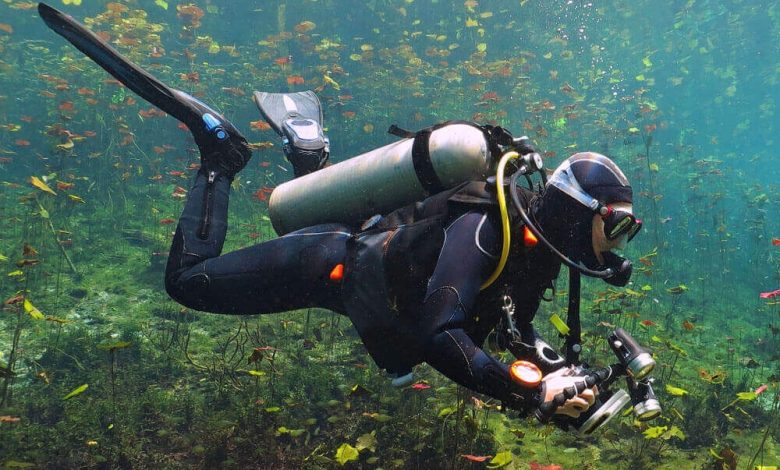
Scuba diving offers a unique opportunity to explore the vast and mysterious underwater world. However, it also comes with a significant responsibility. As divers immerse themselves in the oceans, they become part of an ecosystem that is facing numerous environmental challenges. This connection between scuba diving and environmental stewardship is essential, as divers play a crucial role in the conservation and protection of marine life and habitats. Understanding how scuba diving and environmental stewardship are intertwined can help ensure the future of the oceans for generations to come.
1. Raising Awareness of Ocean Health
Scuba diving is more than just a recreational activity—it’s an opportunity for divers to witness firsthand the beauty and fragility of marine ecosystems. Many divers, particularly those who explore remote or protected areas, are exposed to the impacts of human activities on the environment. This firsthand exposure fosters a deeper understanding of the challenges facing the oceans, such as coral bleaching, pollution, and habitat destruction.
Divers often become advocates for ocean health once they see the effects of these environmental issues. They are in a unique position to raise awareness about the importance of preserving the oceans, both by sharing their experiences with others and by participating in campaigns to protect marine environments. The ability to witness the delicate balance of marine life makes divers natural environmental stewards, eager to contribute to efforts aimed at protecting these ecosystems.
2. Promoting Responsible Diving Practices
Environmental stewardship starts with responsible diving practices. Scuba divers can inadvertently cause harm to the underwater world by damaging fragile ecosystems or disturbing marine life. For example, touching coral reefs or disturbing sea creatures can cause lasting damage to these delicate environments. To minimize this impact, divers must be trained in eco-friendly diving techniques.
Responsible diving involves maintaining buoyancy control to avoid making contact with the seafloor or corals, avoiding the use of gloves that might encourage divers to touch things, and refraining from collecting souvenirs such as shells or rocks. Divers are also encouraged to avoid using sunblock that contains harmful chemicals, as these can pollute the water and harm marine life. By adhering to these principles, divers can enjoy the underwater world without contributing to its degradation.
3. Participating in Marine Conservation Efforts
One of the most impactful ways divers contribute to environmental stewardship is by actively participating in marine conservation efforts. Many dive organizations and conservation groups offer programs where divers can get involved in clean-up efforts, coral restoration, or marine life monitoring.
For example, some dive operators arrange “reef clean-up” dives, where divers help remove debris from the seafloor, preventing pollution from harming marine creatures. Other initiatives include coral gardening, where divers assist in the cultivation and transplantation of coral to restore damaged reefs. These hands-on activities allow divers to make a tangible contribution to the preservation of the marine environment, transforming their passion for diving into action.
4. Supporting Sustainable Dive Tourism
Sustainable dive tourism is an important component of environmental stewardship. Scuba diving is a popular tourist activity in many coastal regions, and when managed responsibly, it can provide significant economic support to local communities. However, without proper management, it can also have negative environmental impacts, such as overcrowding in fragile ecosystems and excessive waste generation.
Supporting sustainable dive tourism involves choosing operators and locations that prioritize environmental protection. Sustainable operators practice eco-friendly measures, such as limiting the number of divers in certain areas, offering eco-certifications, and implementing waste management programs. By supporting businesses that prioritize the health of marine environments, divers can help ensure that their activities contribute positively to local economies while minimizing their environmental impact.
5. Educating the Public on Marine Protection
Scuba divers are uniquely positioned to educate the public about marine conservation. After witnessing the beauty of marine ecosystems, many divers feel compelled to share their knowledge with others. This can be done informally, such as talking to fellow divers about the importance of ocean conservation, or formally, by becoming instructors or participating in community outreach programs.
By educating others about the importance of preserving the oceans, divers help foster a greater sense of responsibility towards marine life. This can have a ripple effect, encouraging others to take action to reduce their environmental footprint, whether through reducing plastic consumption, supporting ocean-friendly policies, or participating in conservation initiatives. Educating the public about the threats facing the oceans and the role we all play in protecting them is an essential part of fostering a culture of environmental stewardship.
6. Advocating for Policy Change
Divers also have the potential to influence environmental policy through their firsthand knowledge of marine ecosystems. By documenting changes in the health of coral reefs, tracking wildlife populations, and observing environmental changes over time, divers can provide valuable data that informs conservation efforts.
Many organizations use citizen science, where divers contribute data collected during their dives to larger environmental studies. These contributions can help scientists track trends in marine health, from shifts in biodiversity to the effects of climate change. Additionally, divers can advocate for stronger policies to protect marine environments, supporting initiatives such as marine protected areas, stricter fishing regulations, and bans on harmful chemicals. The voice of the diving community can help push for meaningful policy changes that contribute to the long-term protection of the oceans.
7. Fostering a Personal Connection to Nature
One of the most profound aspects of scuba diving is the personal connection it fosters between divers and the natural world. Being submerged in the ocean provides a rare perspective of the planet’s ecosystems. It allows divers to observe marine life in its natural habitat, from vibrant coral reefs to graceful sea creatures, all of which are essential to the health of the oceans.
This connection creates a sense of responsibility to protect what is seen and experienced. Divers are often inspired to take action in their personal lives, whether it’s reducing their carbon footprint, supporting ocean-friendly businesses, or choosing sustainable products. A personal connection to nature is a powerful motivator for environmental stewardship, driving divers to make positive changes both in and out of the water.
8. Leading by Example
Perhaps one of the most impactful ways divers can promote environmental stewardship is by leading by example. When divers actively adopt sustainable practices, such as reducing plastic waste, choosing eco-friendly products, and following ethical dive practices, they set an example for others to follow. This ripple effect can lead to broader cultural shifts, where more people are encouraged to embrace environmentally responsible behaviors.
Leading by example is an effective way to inspire others to take action and consider the environmental consequences of their actions. When divers demonstrate that it is possible to enjoy the underwater world without harming it, they provide a model for others to follow.
Scuba diving and environmental stewardship are inherently linked. By understanding the importance of responsible diving practices, actively engaging in conservation efforts, supporting sustainable tourism, and educating others, divers can contribute significantly to the protection and preservation of the oceans. As we continue to explore and appreciate the underwater world, it is vital that we also commit to safeguarding it for future generations. Scuba diving is not only an activity but a powerful tool for environmental advocacy.