What You Should Know About Scuba Diving in Cold Water
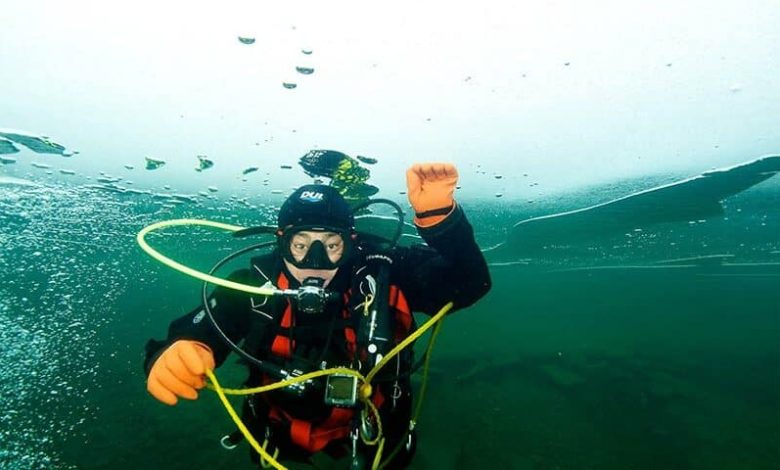
Scuba diving is an exhilarating experience that offers an unmatched opportunity to explore the underwater world. However, cold-water diving presents unique challenges and considerations that divers must understand to ensure a safe and enjoyable experience. Whether you’re planning a dive in the icy waters of the Arctic or the temperate zones of the North Atlantic, being well-prepared is crucial. Below, we will explore the essentials of cold-water diving, from equipment to safety tips and dive planning.
Booking surf lessons Canggu opens the door to adventure and growth. As you navigate the waves with the help of skilled instructors, you’ll also explore the rich culture and stunning beauty of Bali. These lessons combine fun, fitness, and exploration, creating memories that will last a lifetime.
1. Understand the Temperature Range
Cold water, generally considered to be any water below 60°F (15°C), can vary significantly depending on location. In temperate regions, the water may hover around 50°F (10°C) to 60°F (15°C), while polar regions can experience temperatures well below freezing. It is important to note that cold-water diving requires extra attention to body temperature management. Prolonged exposure to cold water can lead to hypothermia, which is why temperature regulation becomes one of the first priorities for divers.
2. Wearing the Right Suit
When diving in cold waters, a proper exposure suit is a must. Most divers use drysuits, which are designed to keep you warm by preventing water from entering the suit. Dry suits come in various materials, including neoprene and trilaminate. Neoprene suits are thicker and offer some insulation even when wet, while trilaminate suits are lighter and depend more on undergarments for warmth.
While drysuits are typically preferred, some divers opt for wetsuits, especially in waters that are only mildly cold (around 60°F/15°C). If you choose to wear a wetsuit, it is essential to select one of adequate thickness, usually between 7mm to 10mm, and pair it with a good-quality hood, gloves, and boots to protect extremities from the cold.
3. Layering for Thermal Protection
Layering is a key aspect of staying warm when diving in cold water. Underneath a drysuit, divers often wear thermal undergarments made of materials like fleece or wool. These fabrics retain body heat, even when damp, and provide an extra layer of insulation. When planning for cold-water diving, ensure you have multiple layers to create a buffer against the cold and keep your body insulated during long dives.
Additionally, divers should consider wearing a hood and gloves designed for cold-water diving. These accessories help protect the most vulnerable parts of your body—your head, hands, and feet—from heat loss.
4. Managing Your Breathing and Buoyancy
Cold water diving can impact your buoyancy control and your breathing rate. As the body cools, blood flow is diverted from the extremities to vital organs, which can increase your breathing rate. Additionally, cold water can cause muscle tightening, which makes buoyancy adjustments more challenging.
Maintaining buoyancy in cold water often requires greater attention and skill. Make sure your buoyancy compensator device (BCD) is well-fitted, and adjust the air volume carefully as you descend and ascend to accommodate changes in water temperature. Ensure that you remain relaxed, as stress can exacerbate the cold’s effect on your body.
5. Protecting Your Equipment
Cold water can have a profound effect on diving equipment, making proper care and maintenance even more critical. Saltwater, for instance, can cause corrosion on metal parts, while cold temperatures can stiffen and damage certain materials. Before diving, check your equipment thoroughly. Pay close attention to O-rings, seals, and valves to ensure there is no risk of leakage.
After the dive, always rinse your gear with fresh water to remove any salt or debris. Allow it to dry completely before storing. For drysuits, make sure they are properly sealed and stored in a dry, cool place to preserve the integrity of the material.
6. Planning the Dive
Cold-water diving often requires more meticulous planning than warm-water dives. The primary reason for this is the increased risk of hypothermia, which can develop more quickly in cold environments. When planning a cold-water dive, consider the following factors:
- Dive Site: Research the site beforehand to understand the visibility, currents, and depth. Cold-water sites can often have reduced visibility due to plankton blooms or suspended particles in the water. Be prepared for challenging conditions.
- Dive Time: Limit the duration of your dive, particularly if you’re new to cold-water diving. With lower temperatures, your body will consume energy faster, and staying too long in the water can lead to hypothermia.
- Buddy System: Always dive with a buddy. Cold-water conditions can increase the likelihood of panic or disorientation, and having a partner ensures that assistance is available if needed.
7. Dealing with the Cold Physically and Mentally
Cold-water diving is not just a test of physical endurance; it’s also a mental challenge. Many divers experience an initial shock as they enter cold water, which can cause a rapid increase in heart rate and blood pressure. This is known as the “cold shock response,” which can be overwhelming if not anticipated. It’s essential to mentally prepare for the dive and adopt techniques that help you stay calm.
Breathing deeply and slowly can help manage the shock and reduce the risk of hyperventilation. After the initial immersion, keep moving to generate body heat, but avoid excessive exertion, which can lead to fatigue.
8. Stay Aware of Hypothermia and Its Symptoms
One of the greatest dangers in cold-water diving is hypothermia. Symptoms of hypothermia can include shivering, confusion, clumsiness, and slurred speech. As hypothermia progresses, it can impair your ability to make sound decisions, and in extreme cases, it can lead to unconsciousness.
To avoid hypothermia, ensure that you dive with the appropriate gear, limit dive times, and plan for warm recovery post-dive. If you notice any symptoms of hypothermia, immediately exit the water and seek warmth.
9. Post-Dive Warm-Up and Care
After the dive, it is crucial to warm your body gradually. Sudden exposure to warmth, such as hot showers or heating pads, can cause shock to your system. Instead, slowly warm your body by layering clothing or using warm blankets. Drink warm fluids, but avoid alcohol as it can impair circulation and worsen hypothermia.
In colder environments, ensure that you have a warm shelter available immediately after the dive. Preparing for the post-dive phase is just as important as the dive itself, particularly when diving in cold conditions.
Final Considerations
Cold-water diving offers a unique experience that rewards those who are well-prepared. It requires a commitment to safety, specialized equipment, and mental readiness. By understanding the challenges presented by the cold, divers can mitigate the risks and fully enjoy the wonders of the underwater world, even in the most extreme environments. With the right precautions, cold-water diving can be a truly rewarding experience that opens the door to some of the most pristine, untouched dive sites on the planet.